
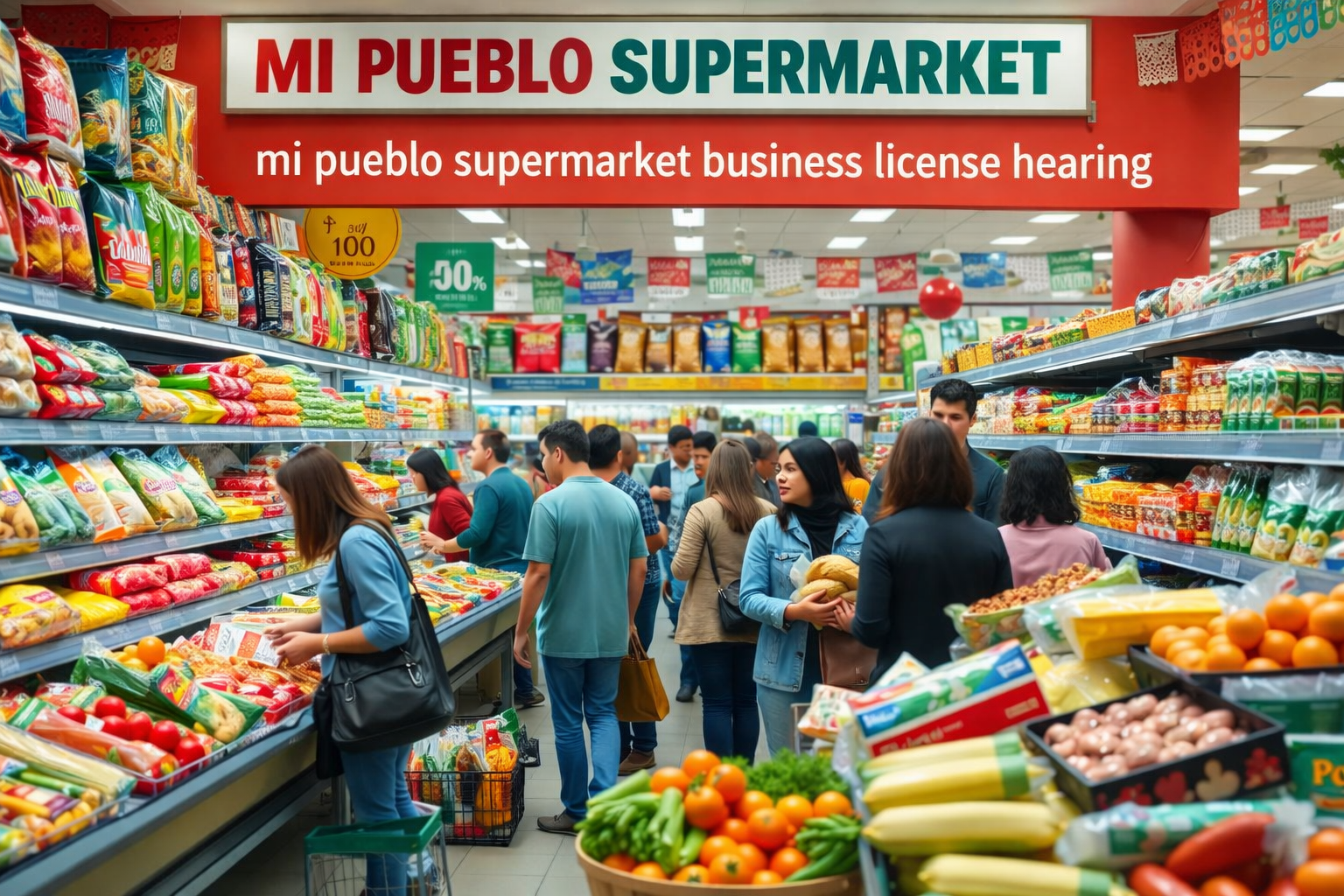
People around town are talking about the Mi Pueblo supermarket business license hearing. It’s not just the neighbors—local business owners and city officials are paying close attention, too. These hearings matter. They’re how cities make sure businesses play by the rules and keep the public’s trust.
So, what’s actually going on here? We’re going to break down what happens at a business license hearing like this, the issues Mi Pueblo’s facing, and what all of this could mean for the store and the people nearby.
What Is a Business License Hearing?
First things first: what exactly is a business license hearing? Think of it as a kind of check-up, run by city or county officials. If there are worries about a business—not following regulations, safety slip-ups, complaints from the community—then the city calls everyone in. At the hearing, they decide if the business gets to keep its license, if it needs to fix certain problems, pay fines, or in the worst cases, shut down.
For Mi Pueblo, the city wants to know: is this supermarket following the law? Are they meeting the standards that every business is supposed to meet?
Why the Mi Pueblo Supermarket Business License Hearing Was Scheduled
Why did this hearing get scheduled in the first place? Usually, it’s because of things like,
1 – health or safety violations
2 – zoning problems
3 – weird tax issues
4 – complaints from neighbors
just not following the rules
In Mi Pueblo’s case, the city wants to make sure everything they do lines up with local laws and that the store isn’t putting anyone at risk—customers, employees, or other businesses.
Key Compliance Issues Under Review
Now, let’s talk about what the city looks at during these hearings. Supermarkets have a lot of boxes they need to check:
:
1. Health and Safety Regulations
Health and Safety: They’ve got to handle food safely, keep their place clean, store things the right way, and pass inspections. The city’s going to look at past inspection reports and whether the store fixed any problems.
2. Licensing and Permits
Every permit needs to be current. Food handling, occupancy, even their signs—everything has to be up to date.
3. Zoning and Local Ordinances
There are rules about what kind of business can operate where. If the store’s not zoned correctly, that’s a problem.
4. Employment and Labor Standards
The store has to pay its workers properly, follow workplace safety rules, and meet all labor standards.
This hearing gives regulators a chance to see if Mi Pueblo has actually solved any problems the city’s flagged before.
The Hearing Process Explained
First, the city lets the supermarket know what the issues are and when to show up. Then, officials present their evidence—think inspection reports, paperwork, that kind of thing. Mi Pueblo’s team gets to respond, maybe with their own paperwork or plans for fixing things. Sometimes, people from the community can chime in, too. After all that, the officials make a decision. They’ll say whether Mi Pueblo keeps its license as is, gets new requirements, or loses it altogether.
Potential Outcomes of the Mi Pueblo Supermarket Business License Hearing
Depending on what the city finds, a few different things could happen. If Mi Pueblo’s following the rules, nothing changes. If there are issues, the city might let them keep operating but under stricter rules, hit them with fines, or demand changes. If things are really bad, they could shut the store down for a while—or even pull the license completely.
Business Implications for Mi Pueblo Supermarket
The Mi Pueblo supermarket business license hearing carries several business implications:
Reputation Management
Public hearings can impact brand perception. Transparency and proactive compliance efforts can help preserve customer trust.
Operational Adjustments
If new conditions are imposed, management may need to revise procedures, improve training, or upgrade facilities.
Financial Considerations
Fines, operational disruptions, or legal fees may affect profitability.
Community Relationships
Strong communication with customers and local officials can reduce long-term reputational damage.
A well-handled response during the hearing process may help the supermarket strengthen its compliance systems and community engagement.
Impact on the Local Community
Local supermarkets do a lot more than just sell groceries—they’re part of the neighborhood’s fabric. They create jobs, keep money moving locally, and bring people together. So, when a business like Mi Pueblo faces a license hearing, everyone feels it. People worry about jobs, whether they’ll have easy access to what they need, and if the local economy will stay steady. Vendors and suppliers are watching, too, since their own businesses might depend on what happens next.
At the hearing, you’ll probably hear a mix of voices—some folks supporting Mi Pueblo, others raising concerns. It’s up to city officials to weigh all this and find a solution that keeps the community safe without hurting local businesses more than necessary.
The Importance of Regulatory Compliance in Retail
Supermarkets have to play by a lot of rules, and for good reason. Sticking to these rules keeps shoppers safe, makes sure everyone’s competing fairly, and protects the business from legal trouble. Plus, it helps build trust between stores and their neighborhoods.
The Mi Pueblo hearing really puts the spotlight on the need for strong compliance. Regular checks, good record-keeping, and quick responses when something’s off—it all matters.
Best Practices for Businesses Facing License Hearings
Other businesses can learn a thing or two from Mi Pueblo’s situation. Stay on top of compliance. Audit your own operations regularly. Keep your paperwork in order. Train your employees so everyone understands the rules. If inspectors find something, fix it fast. And when things get complicated, don’t be shy about bringing in legal or regulatory pros.
Staying proactive with compliance saves a lot of headaches down the line—less risk of shutdowns or fines, and a smoother road ahead.
What Happens Next?
After the hearing, city officials will spell out what needs to happen. If they require changes, Mi Pueblo will need to show it’s following the rules—usually within a set deadline.
No matter the outcome, this process is a big reminder for everyone: accountability and openness matter in business.
Conclusion
The Mi Pueblo license hearing shows just how important it is for businesses to follow the rules—not just for their own sake, but for the whole community. Sure, dealing with compliance can be tough, but it’s also a chance to get better and build stronger businesses.
For Mi Pueblo, this is a moment to address concerns head-on, tighten up where needed, and prove it’s committed to its neighbors. Other businesses watching from the sidelines should take note: being proactive and responsible with compliance isn’t just smart—it’s essential.
As things move forward, everyone—customers, workers, city leaders—will be paying close attention to how Mi Pueblo responds. In the end, following the rules isn’t just about avoiding trouble. It’s about earning trust and setting yourself up for long-term success.
